



Cloisonn é teapot from the late Qing Dynasty
This teapot is a cloisonn é craft from the late Qing Dynasty in the 19th century, currently housed in the Bleschunov Municipal Personal Collection Museum in Odessa, Ukraine. Cloisonn é, officially known as "Copper Cloisonn é Enamel" and commonly referred to as "Enamel Cloisonn é", is one of China's famous special metal crafts. During the Ming Dynasty's Jingtai period, this craftsmanship reached its peak, producing the most exquisite and famous crafts. Therefore, later generations referred to this type of metal artifact as "Cloisonn é".

Cloisonne
Cloisonn é, one of the famous special metal crafts in China, reached its peak in production during the Jingtai period of the Ming Dynasty, producing the most exquisite and famous crafts. Therefore, later generations referred to this metal artifact as "Cloisonn é". Cloisonn é, officially known as "Copper Cloisonn é Enamel" or "Enamel Cloisonn é", is a type of utensil made of soft flat copper wire that is cut into various patterns and welded onto a copper mold. The enamel is then filled into the patterns and fired. Due to its popularity during the Jingtai period of the Ming Dynasty and mature production techniques, the enamel glaze used was mostly blue, hence the name "Jingtai Blue".

Popular Models

Hoffman Canglong (3D animated model)
135 View



Velociraptor (3D animated model)
132 View

YF-23(3D animated model)
103 View
Random Model

Truck
431 View


Cut watermelon
279 View
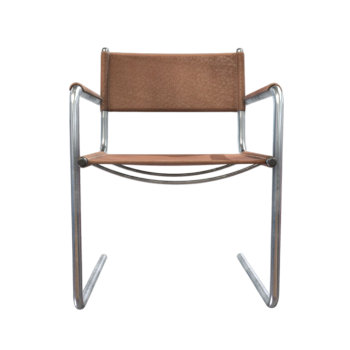
Metallic Leather Chair
743 View

Muscovites 407
946 View
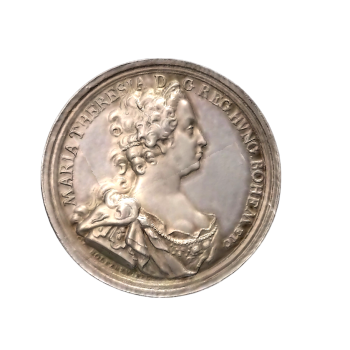
Order of Maria Theresa
480 View

Avocado
715 View

Cast Iron Freestanding Bathtub
328 View

Steak Set Meal
519 View